
Eagle skews newer
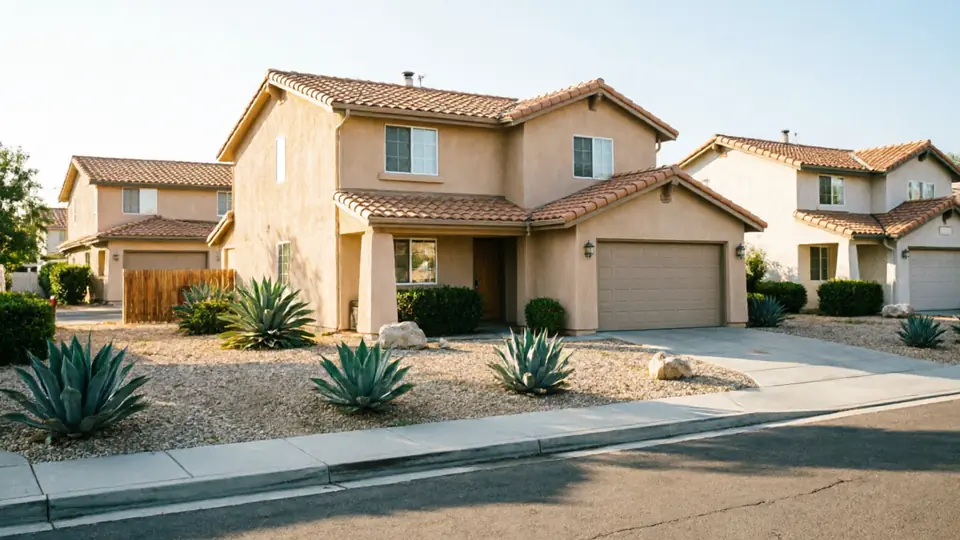
Eagle sits on the newer end of that range, with its own median landing at 2005 rather than spread thinner across decades like some neighborhoods closer to the center of the service area.
Eagle, Meridian ID
Eagle homes mostly date to 2005, six miles from our Meridian base. See how that newer stock changes which garage door parts actually fail here.
What we do here
Local housing
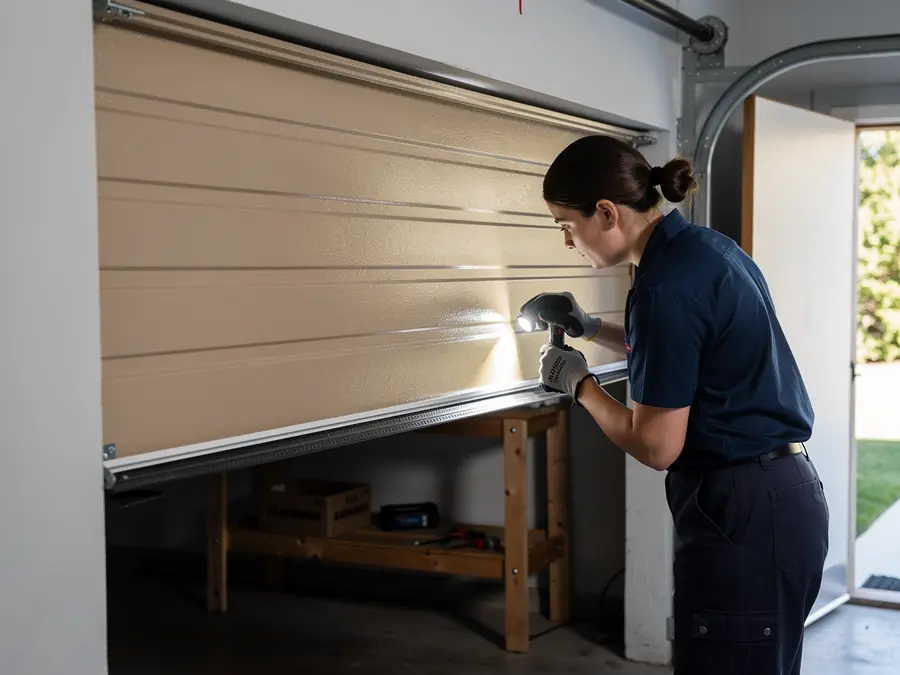
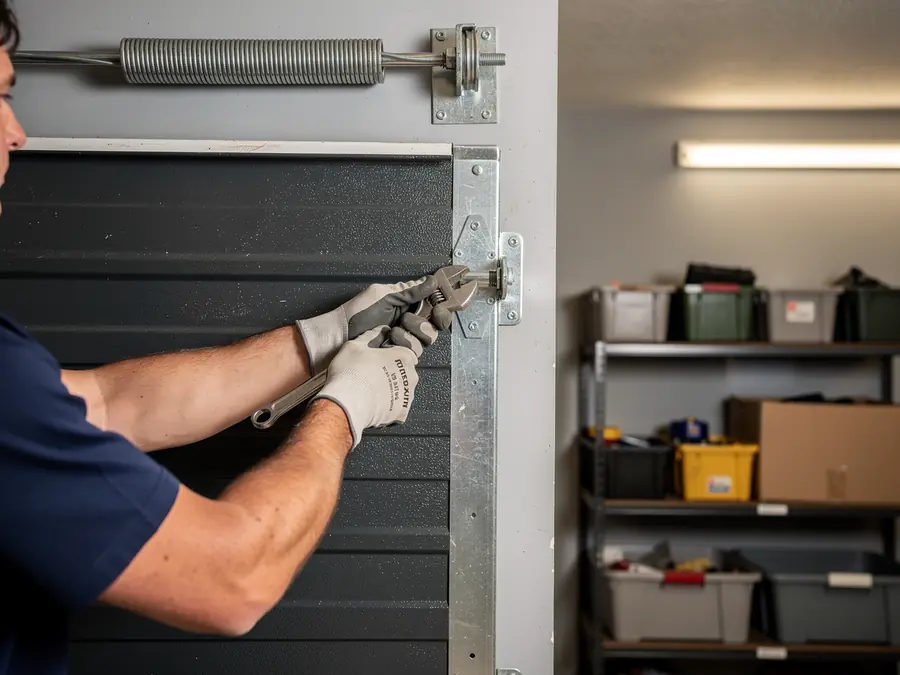
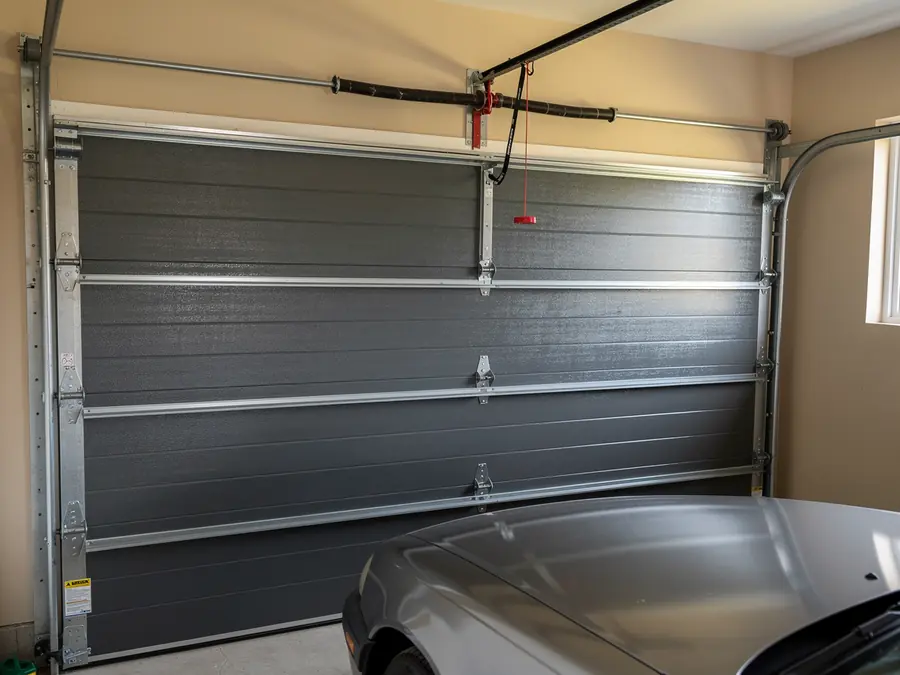
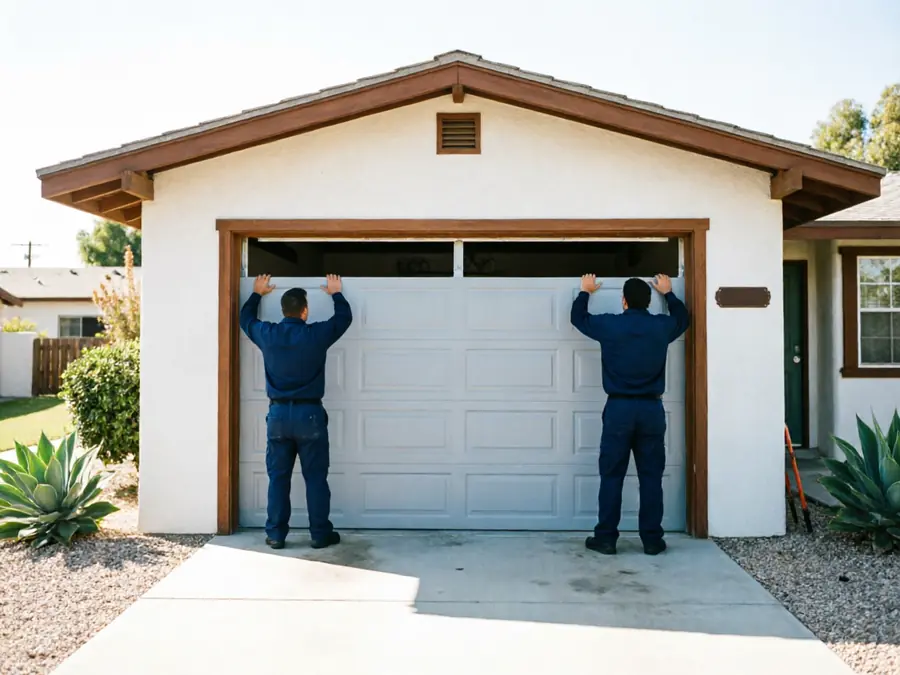
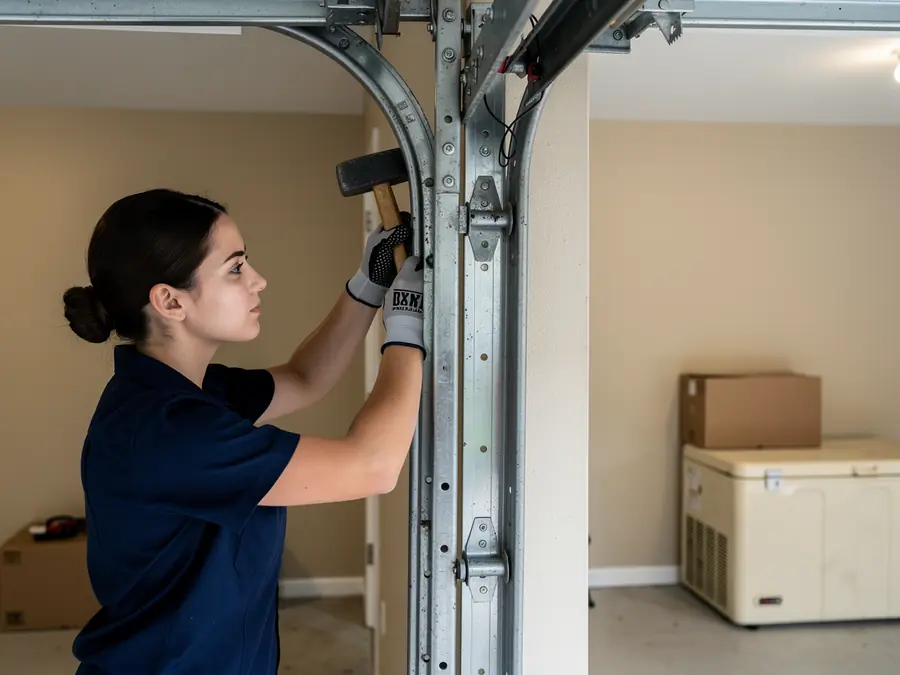
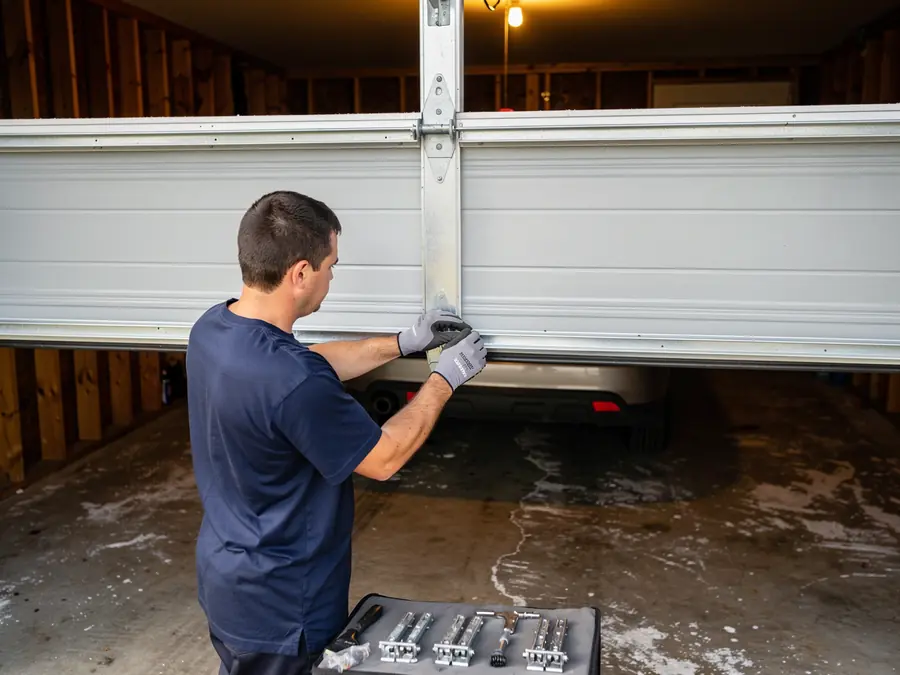
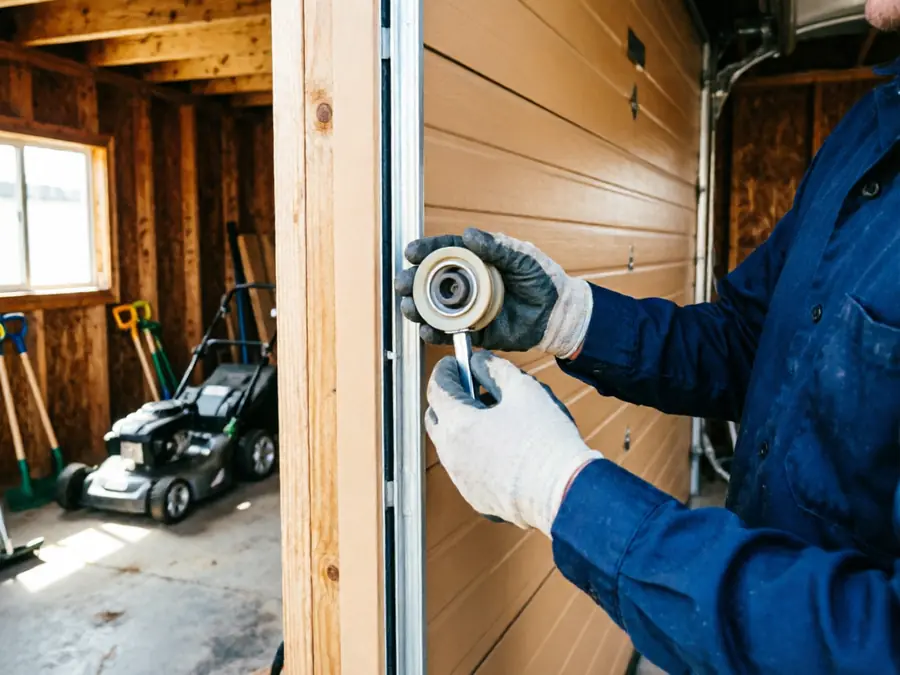
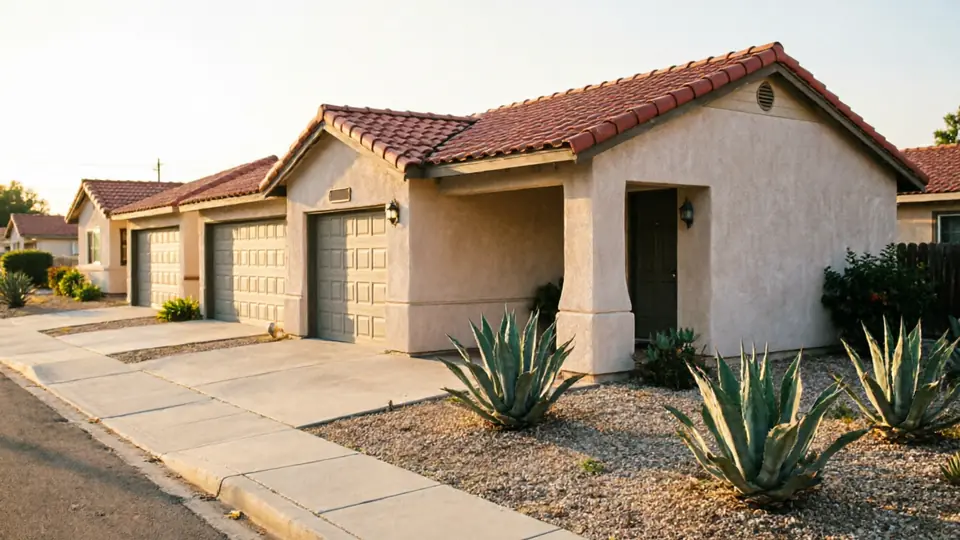
Eagle's housing stock centers on 2005. That's newer than a lot of what we see across the rest of the service area, where builds run anywhere from 1977 to 2009. If your house went up in the early 2000s building boom here, you've likely still got the original door and opener, and depending on the builder, that door is now pushing twenty years old. That's long enough for the torsion spring to be near the end of its cycle count, even if nothing looks wrong yet. With roughly 12,085 households in Eagle, that 2005 median isn't a fluke tied to one subdivision - it describes a big share of the garages we'd be working on if you called us. The practical upshot: Eagle skews toward steel sectional doors on torsion hardware rather than the older single-panel or extension-spring setups you'd find in an area built decades earlier. Newer doesn't mean problem-free. It means a specific, narrower band of failure points, and that's useful to know before a tech ever opens the panel.
Response times
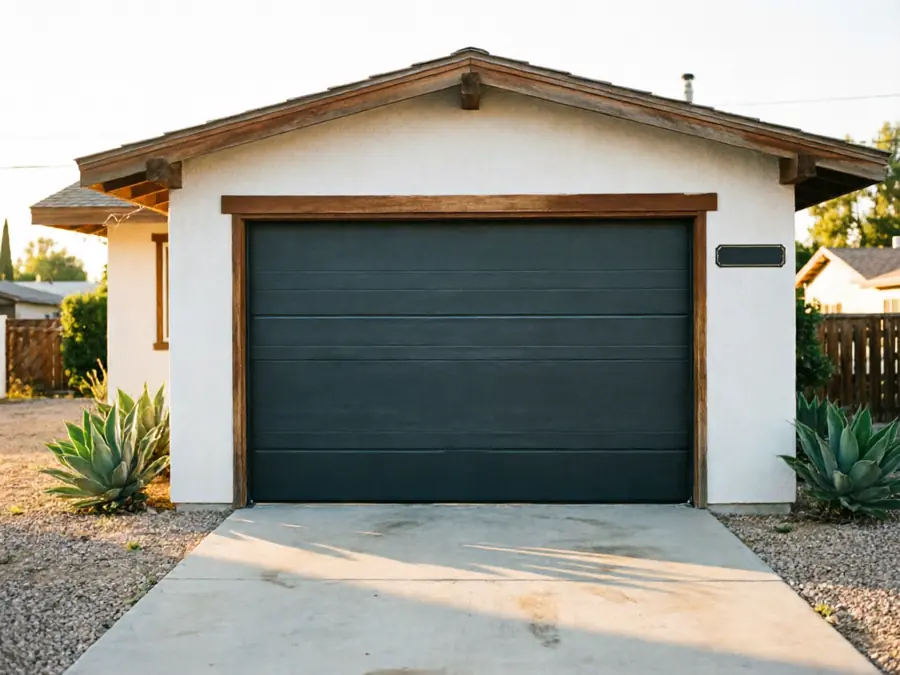
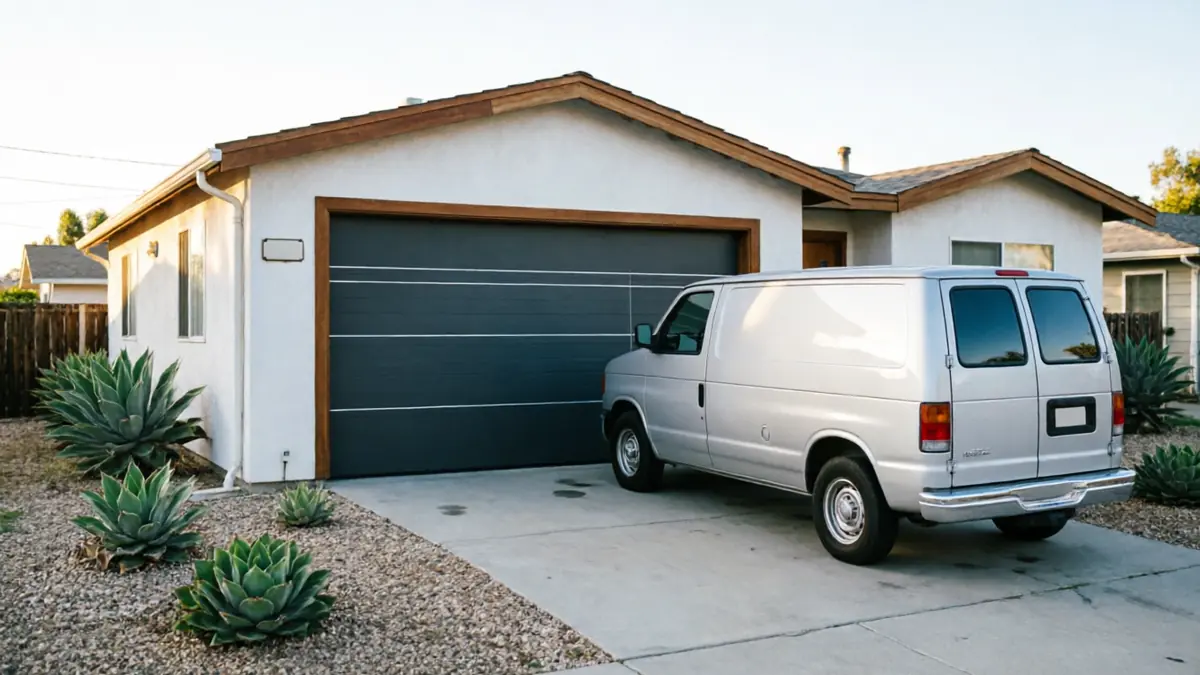
We run out of Meridian, about 6 miles from Eagle. We don't have a depot or a crew stationed in town, so we're not going to promise a number we can't back up - travel time depends on the job queue that day and where the truck already is. What we can tell you is that 6 miles is a short haul compared to some of the other spots we cover, so Eagle calls aren't an afterthought on the route. If you need a same-day look at a spring that let go or a door stuck half-open, call and we'll tell you honestly where we stand that day rather than guess at a window over the phone.
Old vs new homes
Across the areas we serve, the housing stretches from the late 1970s up through 2009, and most of it clusters in the 2000s build wave across eight named areas.
Eagle sits on the newer end of that range, with its own median landing at 2005 rather than spread thinner across decades like some neighborhoods closer to the center of the service area.
That matters because a 1980s door and a 2005 door aren't the same machine. The older end of our coverage area still has houses running original extension-spring setups and lighter-gauge panels that were standard before torsion systems became the norm. Eagle mostly skipped that era.
What you get instead is a more uniform population of doors: steel sectional, torsion spring, chain or belt-drive openers that were already common by the time these houses were framed. That uniformity is actually a convenience for diagnosis - fewer oddball setups, more predictable parts.
Door impact
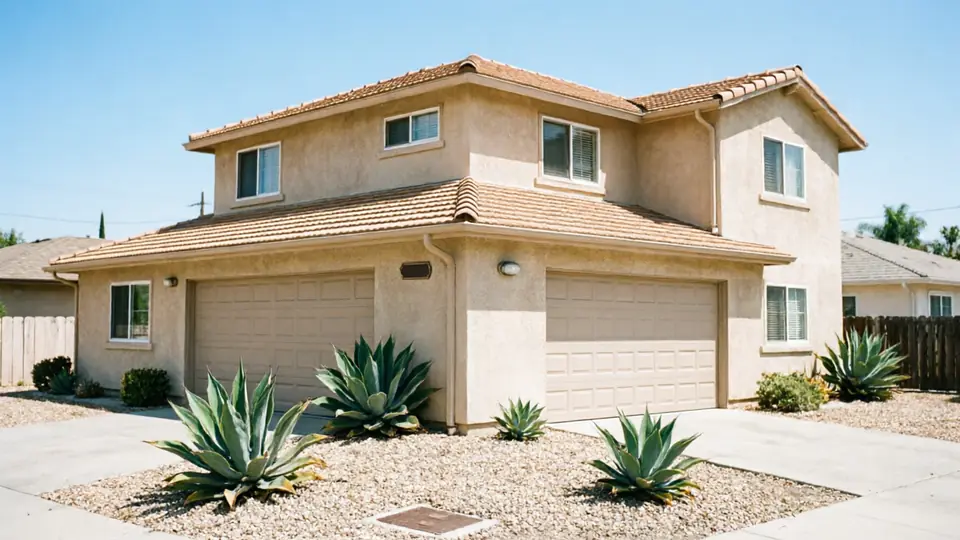
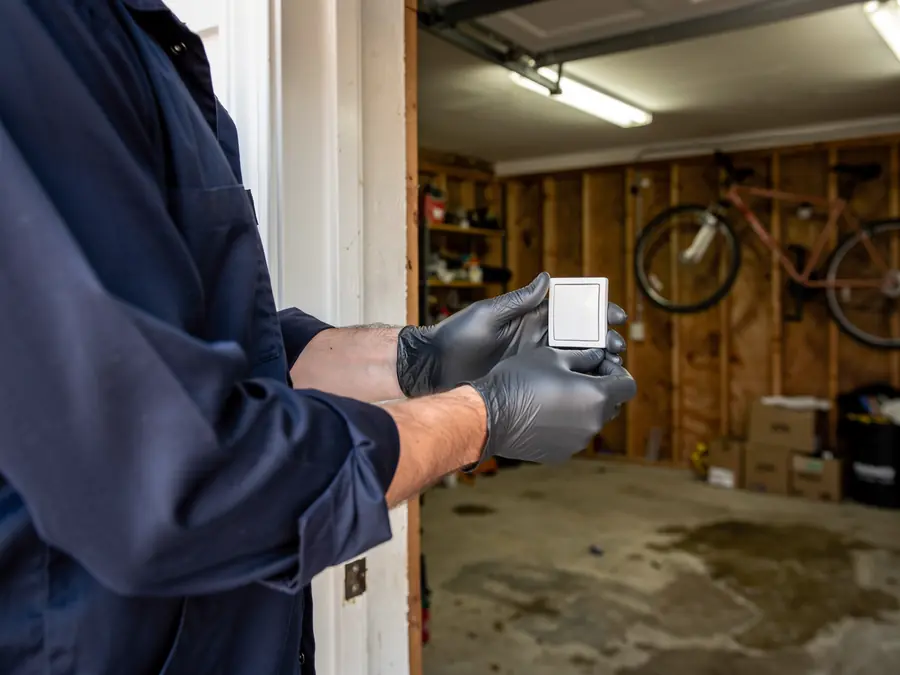
Because Eagle's doors mostly date to the 2000s, the common failure here is wear, not obsolescence. Torsion springs rated for a set number of cycles are reaching the far side of their lifespan on houses from the early part of that build window. Openers from that era are old enough that the drive gear or circuit board can go, but the door itself - the track, the hinges, the panel material - tends to still be sound. That's different from the oldest stock elsewhere in our coverage area, where we sometimes can't get a matching panel at all and replacement is the honest answer instead of repair. One limitation worth saying plainly: we don't stock every opener logic board model, and on some older electronics the wait on a part can run longer than the repair itself. In Eagle's case that's less common since the opener generation here is fairly consistent, but it does happen.
Service areas
Questions
No. We're based in Meridian, about 6 miles away, and we drive out for every Eagle job. We don't keep a local depot or stock room in town, so what's on the truck that day is what we're working with.
A lot of them are. Eagle's housing stock centers on 2005, so many garages still have the builder-installed door, torsion spring, and opener that came with the house. If yours hasn't been serviced since move-in, the spring is worth a look even if it still opens fine.
Torsion springs are rated by cycle count, not calendar years. A door opened a few times a day for close to twenty years can simply run out its rated cycles, which shows up as sudden failure rather than gradual wear you'd notice coming.
Generally no - steel sectional doors and torsion hardware from the 2000s use parts we can get without a long wait. It's the handful of older opener circuit boards from that same era where a specific model can take longer to source.
Ready when you are
Meridian Garage Door Co repairs and installs garage doors, springs and openers in Meridian, ID and the surrounding area.