Eagle, Meridian
Garage Door Panel Replacement for Eagle Homes
Panel replacement for Eagle's mid-2000s steel sectional doors. We travel 6 miles from Meridian to match foam-core panels on homes built around 2005.
On the truck
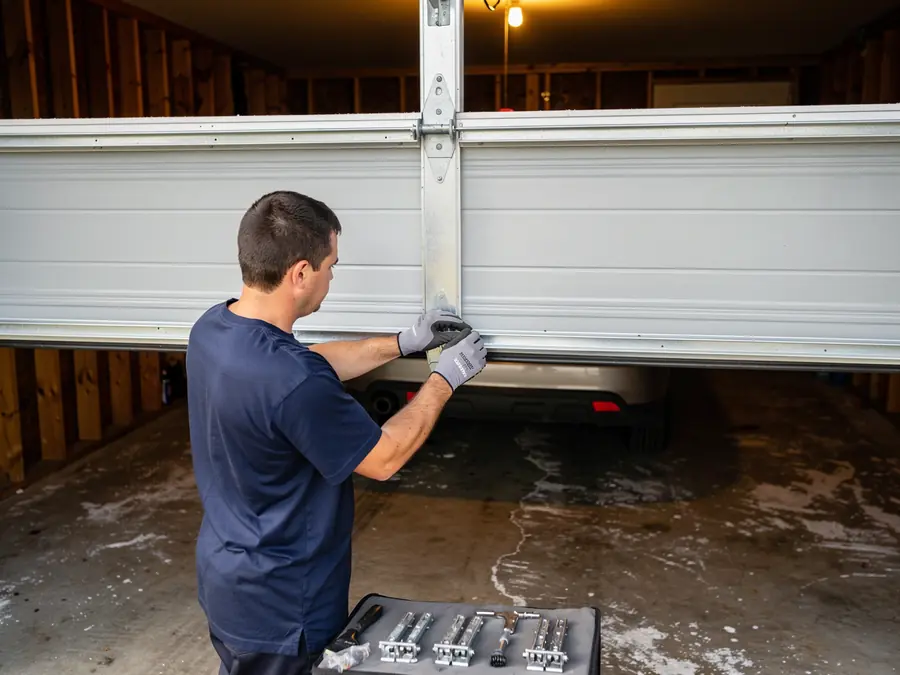
Parts We Carry
Eagle has about 12,085 households, which is a smaller pool than the Meridian core but a consistent one in terms of door type. Because the median home here went up around 2005, sitting inside the wider 1977-2009 build window for the area, almost every call we take is for a steel sectional door with a foam core, not the older solid-wood panel sets you still find in pre-1980 neighborhoods elsewhere. We stock replacement steel panels in the common widths and insulation ratings that match that era of door - 8 and 9-foot sections, long-panel and short-panel raised designs, and foam-core sections with the factory-style window cutouts some of these garages have. What we don't keep on the truck is anything discontinued - a panel from a production run that stopped years ago needs an order, and we'll tell you that up front rather than send you home with a mismatched section. If your door predates 2000 by a wide margin, that's the exception here, and we treat it as a special-order job rather than a shelf item.
Local causes
Why This Fails Locally
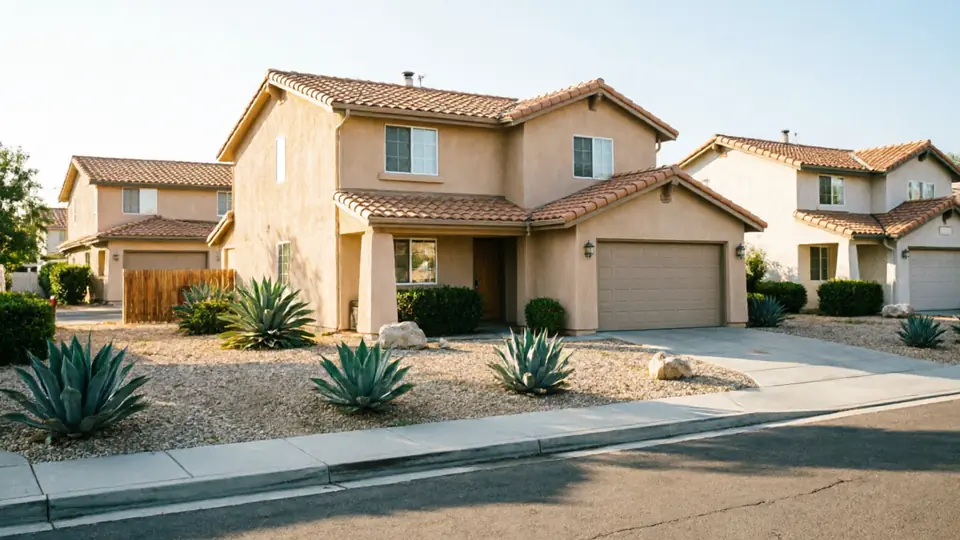
The climate here runs cold and severe, and that matters more for panel integrity than people expect. Foam-core panels rely on a sealed bond between the steel skin and the insulation layer. Repeated freeze-thaw cycling works at that bond from the inside, and over a dozen-plus winters it shows up as a slight bow or soft spot low on the panel, usually the bottom section that takes the most moisture and the most door-closing impact. Because Eagle's housing stock clusters tightly around the early-to-mid 2000s, a lot of these doors are now old enough that the bond has had real time to degrade, but new enough that owners haven't expected a failure yet. Higher household income here, median around $118,037, also means more of these garages got upgraded insulated doors with factory color coats rather than base builder-grade steel - which is good for performance but makes matching a replacement panel's finish a real part of the job, not an afterthought.
Warning signs
How It Shows Up
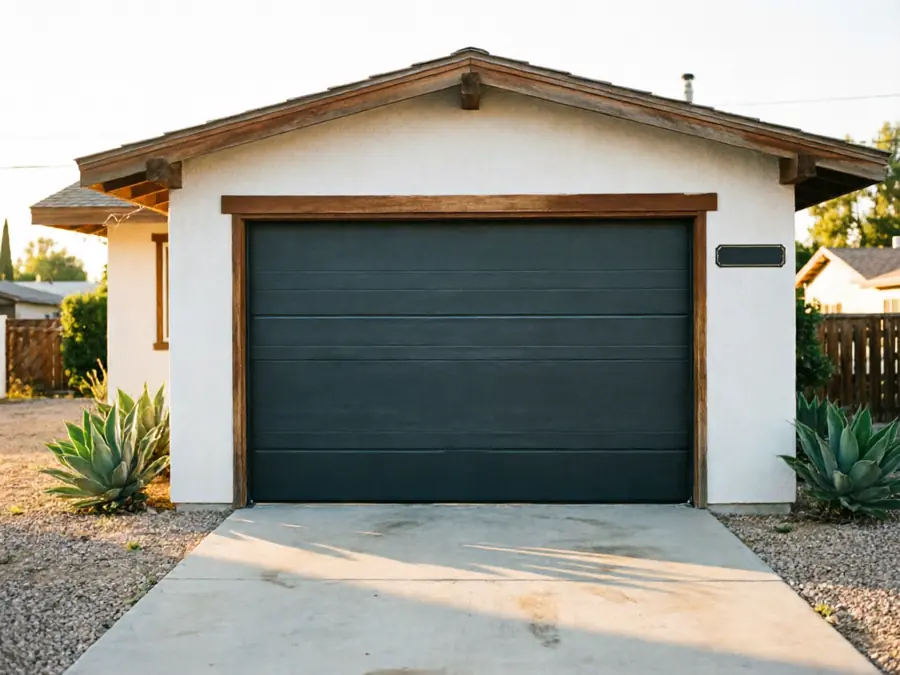
The most common sign is a bottom panel that looks slightly bowed outward when the door is down, or a seam at a hinge point that's started to crack the paint rather than just flex. Sometimes it's a dent from a bike, a trailer tongue, or a kid's basketball that's gone unnoticed until the panel starts catching on the track guide. On the foam-core doors common to this stock, a dent doesn't just hurt the look - it can start the delamination process we just described, so a small cosmetic issue now becomes a structural one over another winter or two. You'll also sometimes see daylight at a seam that used to be tight, which usually means the panel itself has warped slightly rather than the hardware being out of adjustment. None of this is an emergency the day it appears, but none of it gets better on its own either.
The repair
What the Repair Takes
Most panel jobs here are single or double-section swaps - we pull the damaged panel, match it against the existing color and texture, and set the new section into the same hinge and roller hardware if that hardware is still sound. The catch with doors from this production window is the finish: factory colors shift in small batches over the years, and a panel ordered today for a door built in 2004 or 2005 isn't always an exact match out of the box. We'll show you the closest stock option and let you decide whether a slight shade difference on a lower panel is worth avoiding a special order. If the whole door is more than one or two panels compromised, or the track and hinge hardware is worn enough that a new panel won't sit right against it, replacing the full door usually costs less in the long run than chasing panel-by-panel fixes.
Downtime
How Long You Are Without the Door
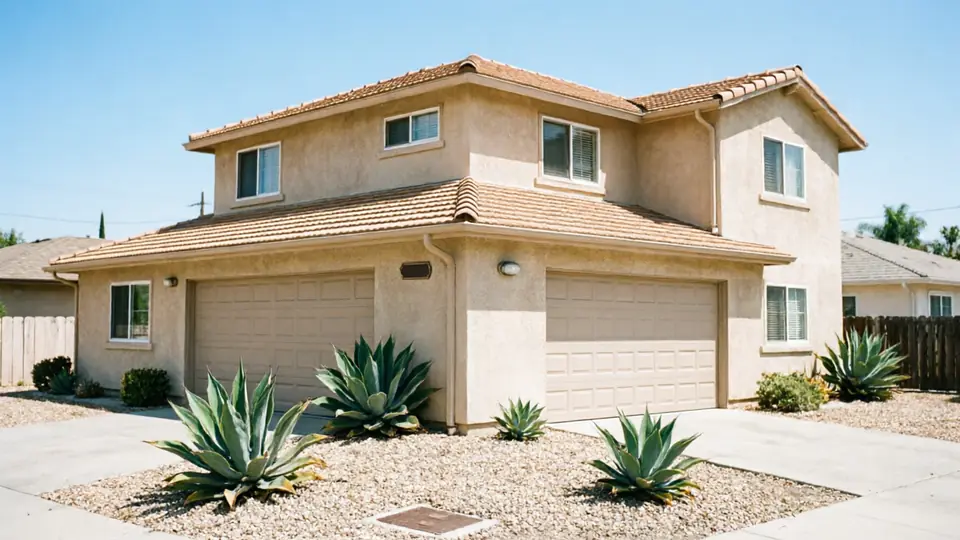
We work out of Meridian, about 6 miles from Eagle, so travel time is part of scheduling the job rather than a flat local rate - there's no Eagle branch, just the truck coming out. For a stock panel that matches what's on your door, the install itself is usually a same-visit job once we're on site. The variable is the part, not the drive: if your door's color run has gone out of current production, we have to order the panel before we can show up with it, and that adds days, not hours, to the timeline. We'll tell you at the first look whether your panel is a shelf match or a special order, so you're not guessing at how long the door sits half-functional in the meantime.
DIY or pro
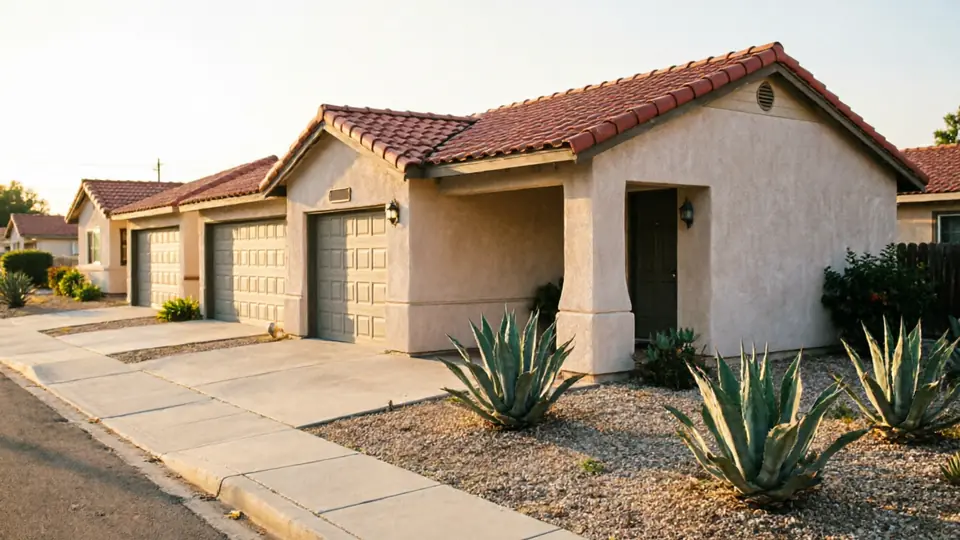
Can You Do This Yourself
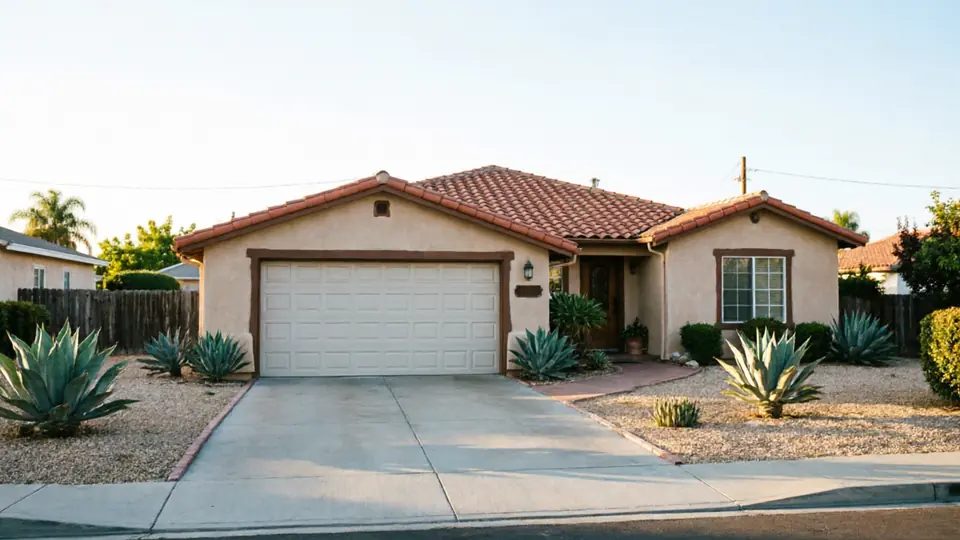
Swapping a single panel sounds simple and sometimes is, but the doors common to Eagle's 2000s-era housing stock use torsion spring systems under real tension, and the panel you're replacing is bolted into hinges that are holding that tension in balance across the whole door. Get the hinge bolts out of sequence or misjudge the spring load and you're looking at a door that jumps the track or a spring that lets go while you're under it. If you're comfortable with basic hand tools and the door is unplugged from the opener, you can usually handle cosmetic trim or a loose roller bracket yourself. Full panel removal and replacement on a foam-core sectional door is not where we'd recommend a first DIY attempt - the hardware alignment matters more than it looks like it should, and a panel set in slightly crooked will bind against the track within weeks.
Questions
Common questions
Will a new panel match the rest of my door's color exactly?
Not always. Eagle's housing stock is mostly from the early-to-mid 2000s, and factory paint runs from that era vary by batch. We check the closest current stock match first; if your door's specific run is discontinued, matching requires a special order rather than a shelf panel.
How fast can you get to Eagle for a panel replacement?
We travel from Meridian, about 6 miles out, so there's no separate local branch timeline - scheduling depends on our route that day and whether your panel is a stock match or needs to be ordered first.
Is it cheaper to replace one panel or the whole door?
If it's one or two sections and the hardware underneath is sound, a panel swap is usually the lower-cost route. If multiple panels are compromised or the hinges and track are worn, a full door often costs less than chasing repairs panel by panel.
Why does my bottom panel look slightly bowed?
Most foam-core doors in this area are old enough now to have been through many freeze-thaw cycles, which can work at the bond between the steel skin and the foam core, especially on the bottom panel that takes the most moisture and impact.
Explore more
More Services in Eagle
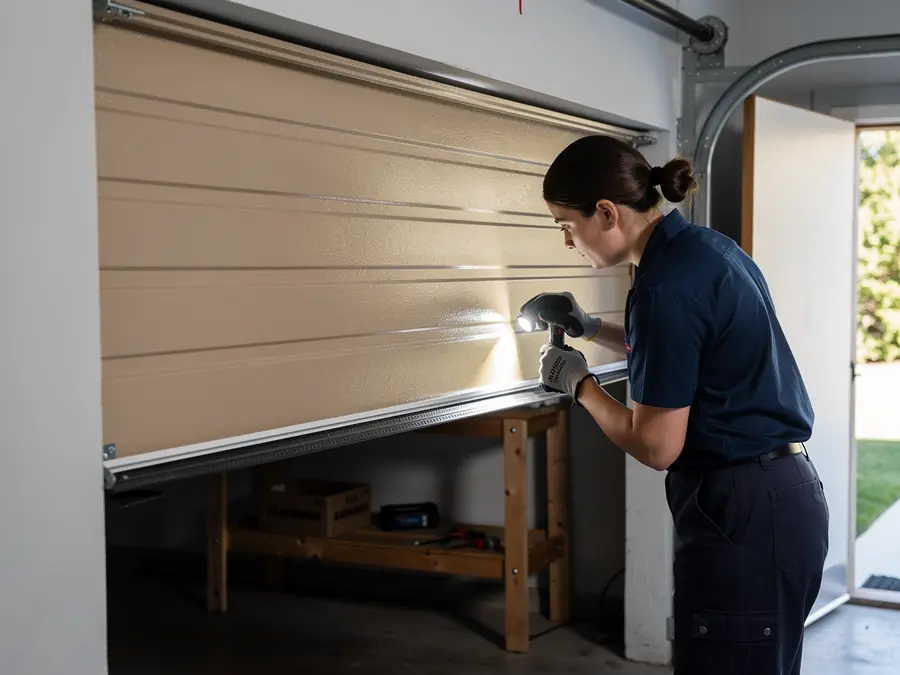
Garage Door Repair
Eagle's homes mostly went up around 2005, newer than the service area average, so the springs, openers and tracks failing here aren't the same ones failing elsewhere. Learn more →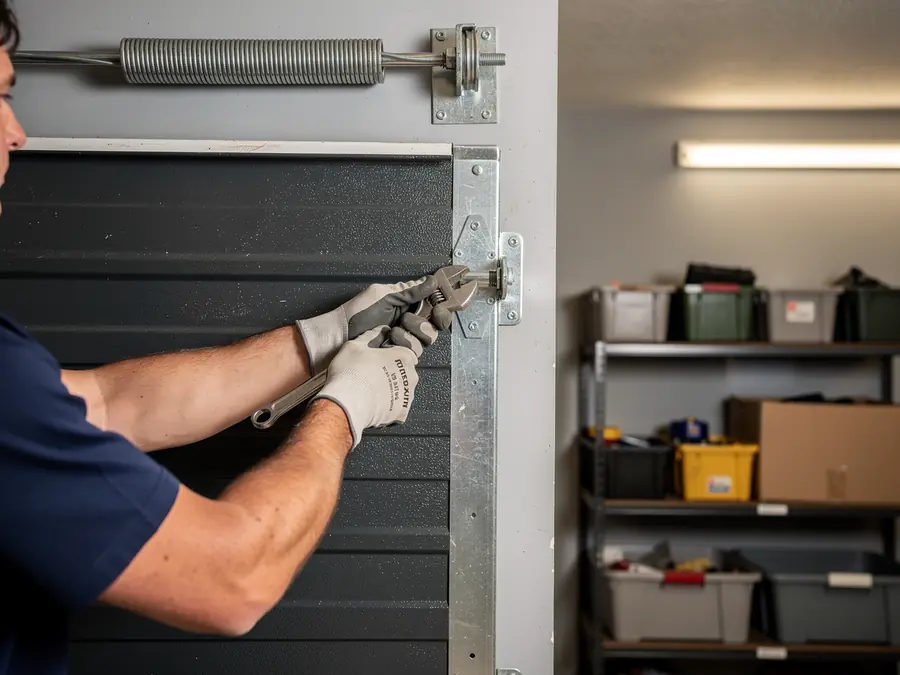
Garage Door Service
Eagle homes built mostly after 2000 run factory torsion springs and steel sectional doors. Learn more →
Maintenance
Eagle homes built mostly after 2000 run factory-insulated steel doors on torsion springs rated for cold winters. Learn more →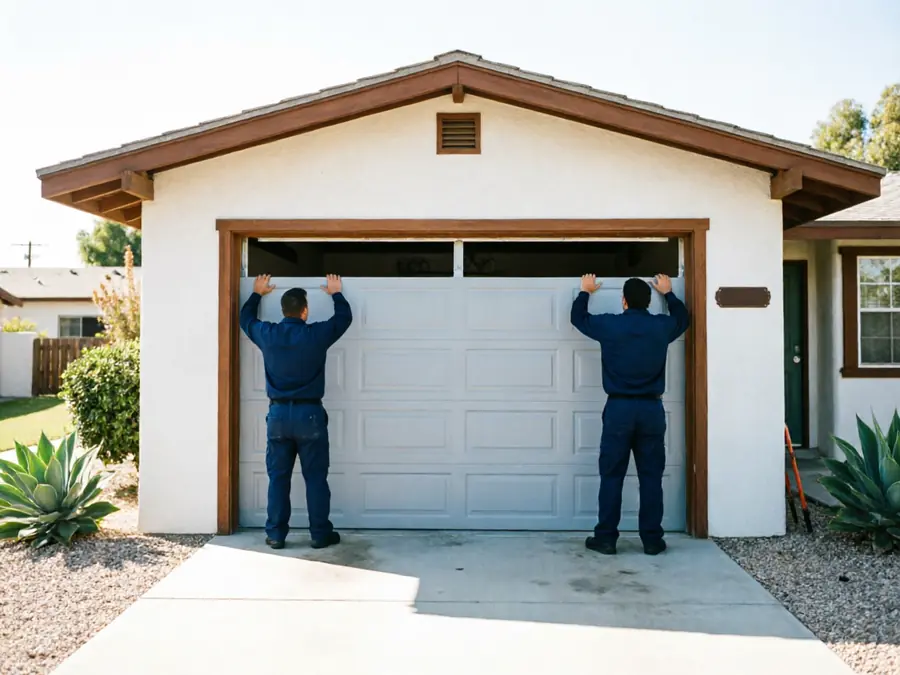
New Door Installation
Eagle's garage doors mostly date to the mid-2000s build boom. Learn more →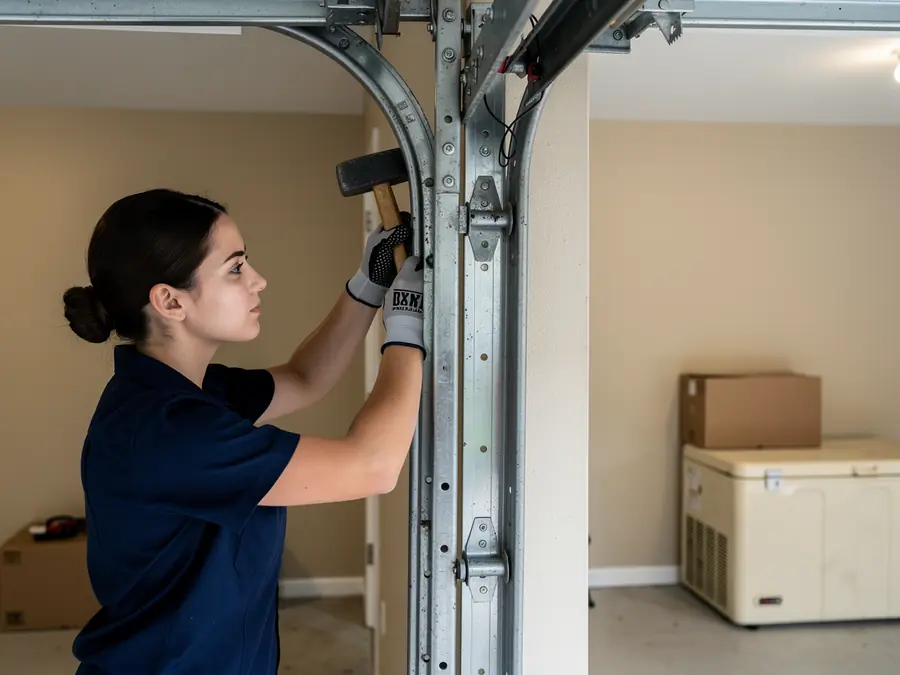
Off Track Repair
Eagle homes mostly went up around 2005 with steel track and roller-bracket hardware that bends on impact. Learn more →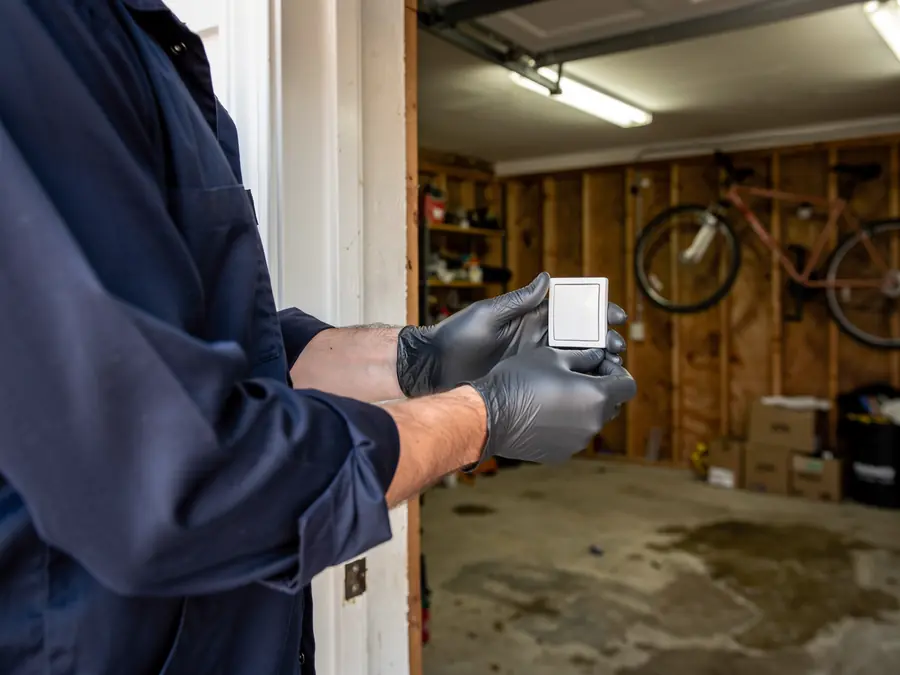
Opener Installation
Opener installs for Eagle's mostly-2005 homes, run from our Meridian shop six miles out. Learn more →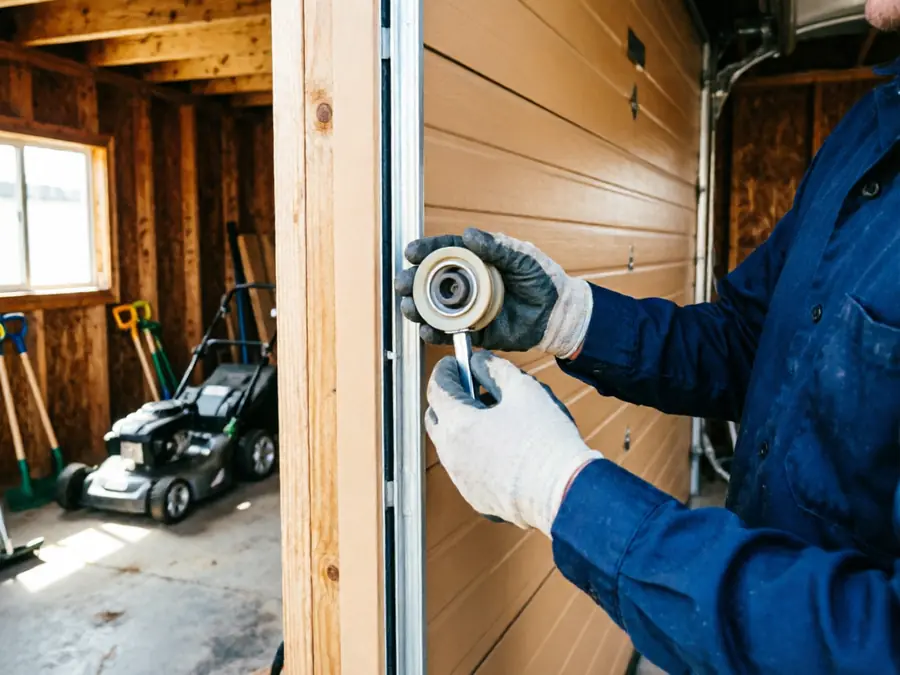
Roller Replacement
Eagle, ID homes built mostly after 2005 see roller failure early thanks to severe cold; here's what the repair takes and what to expect from Meridian. Learn more →Ready when you are
Need a garage door sorted in Meridian?
Meridian Garage Door Co repairs and installs garage doors, springs and openers in Meridian, ID and the surrounding area.