
Blog
Fixing vs. Replacing an Older Garage Door in Meridian
Meridian's housing mostly dates from 1977 to 2009, built for a cold winter climate. Here's what decides whether your original garage door is worth repairing.
Season by Season
Meridian sits in a cold, severe climate band, and that shows up on a garage door on a schedule, not all at once. Cold snaps stiffen torsion springs and thicken old grease on the rollers, which is why a door that opened fine in September starts groaning or hanging up once temperatures drop. Shrinking weatherstripping lets more cold air into the garage through the winter months, and on an older door that rubber has usually hardened enough that it no longer seals the bottom edge the way it did when new. Spring steel fatigues faster through repeated hard freeze-thaw cycling than it would in a mild climate, so the failure you get in January is often the end of wear that started building months earlier. We don't track exact temperature swings house by house, so we can't tell you the day a given spring will go - only that cold-weather stress is the main reason winter is when most older doors in this climate band finally quit. Summer heat plays a smaller role here: it's the cold that does the damage, and a door that's already fifteen or twenty years old going into a hard winter is the one worth a look before the cold sets in, not after.
The Situation
Housing across the Meridian area was mostly built between 1977 and 2009, with the heaviest concentration from the 2000s, spread across the eight named areas that make up most of the local stock. That build-out window matters because it tells you what's actually hanging on the tracks in most garages here: steel sectional doors from the late 1990s through the mid-2000s, paired with chain-drive openers that were standard equipment at the time. A door from that era is now somewhere between fifteen and nearly fifty years old, depending on which part of that build-out your house falls into. Doors from the earlier end of that range - late 1970s and 1980s construction - are rarer here than in older cities, but they exist, and they're usually carrying original hardware that's well past any reasonable service life. The 2000s-built majority is in a different spot: old enough that springs, rollers, and cables are due or overdue, but often with a door panel and track system still structurally sound enough that a full replacement isn't automatic. That split is the real local situation - a lot of houses in the same general age bracket, but a wide enough range inside it that the right call on fix-versus-replace depends on exactly where a given door falls in that 1977-2009 span.
How Local Conditions Play In
Put the housing age and the climate together and you get a specific, local answer rather than a generic one. A door built in the 2000s has gone through fifteen to twenty-five winters in a cold, severe climate band, which is enough cycling to fatigue a torsion spring even if the door looks fine from the driveway. An older door from the 1977-2009 range's earlier years has gone through closer to forty winters of the same stress, and at that point the question usually isn't whether the spring is tired - it's whether the opener, the track, and the panel insulation have also aged out together. Cold-climate wear tends to hit springs and rollers first, then seals, and the opener's gearing last, so a door's age against this area's winters tells you roughly where in that sequence a given unit is likely to be. None of that means every old door needs replacing. A sound steel panel with solid track alignment can often carry a new spring and opener motor for years more, even after four decades of Meridian winters. What it does mean is that age alone, in this climate, isn't a reason to assume a door is done - but it's also not a reason to assume it's fine.
The Common Mistake
The mistake we see most is homeowners replacing the opener first because it's the part making noise, when the actual problem is a spring that's lost tension and is making the opener work harder than it should. Fix the opener and leave the tired spring in place, and you've spent money without touching the part that was going to fail next anyway. The reverse mistake happens too: replacing a whole door system because of a balance problem that a spring adjustment would have solved, on a panel that's otherwise sound for a house built well within that 1977-2009 window. We'll tell you straight when a door isn't worth fixing - usually that's a panel that's rusted or warped badly enough that new hardware on it is a waste, not just an old door with tired springs. But we won't push a full replacement on a door that only needs its worn parts swapped, even if it's on the older end of the local housing stock. The honest limit here: if a door's track is bent badly enough from an old impact, or the opener's circuit board is failing alongside the mechanical wear, repair costs can stack up to where a new system is the better spend - that's a call we make in person, not over the phone.
Questions
Common questions
How do I know if my garage door is too old to repair?
Age by itself doesn't decide it. A steel panel with a straight track and intact insulation is usually worth keeping even after decades of winters, as long as the structural parts - panel, track, hinges - aren't rusted, warped, or bent. If those are sound, a tired spring, worn rollers, or a failing opener are normal repairs, not reasons to replace the whole door.
Why does my older garage door act up more in winter?
Meridian's winters put real stress on torsion springs and rollers - cold stiffens grease and fatigues spring steel faster than it would in a milder climate. A door built during the area's main construction years, the late 1990s through 2000s, has been through enough of these cycles that winter is when worn parts usually show themselves first.
Is it worth replacing just the opener on an old door?
Sometimes, but check the spring tension first. A lot of noisy or struggling openers are actually fine - the door's torsion spring has lost tension and the opener motor is working overtime to compensate. Replace the opener without fixing that, and you'll wear out the new motor the same way.
Recommendation
You Might Also Like
More garage door guides for Meridian homeowners.
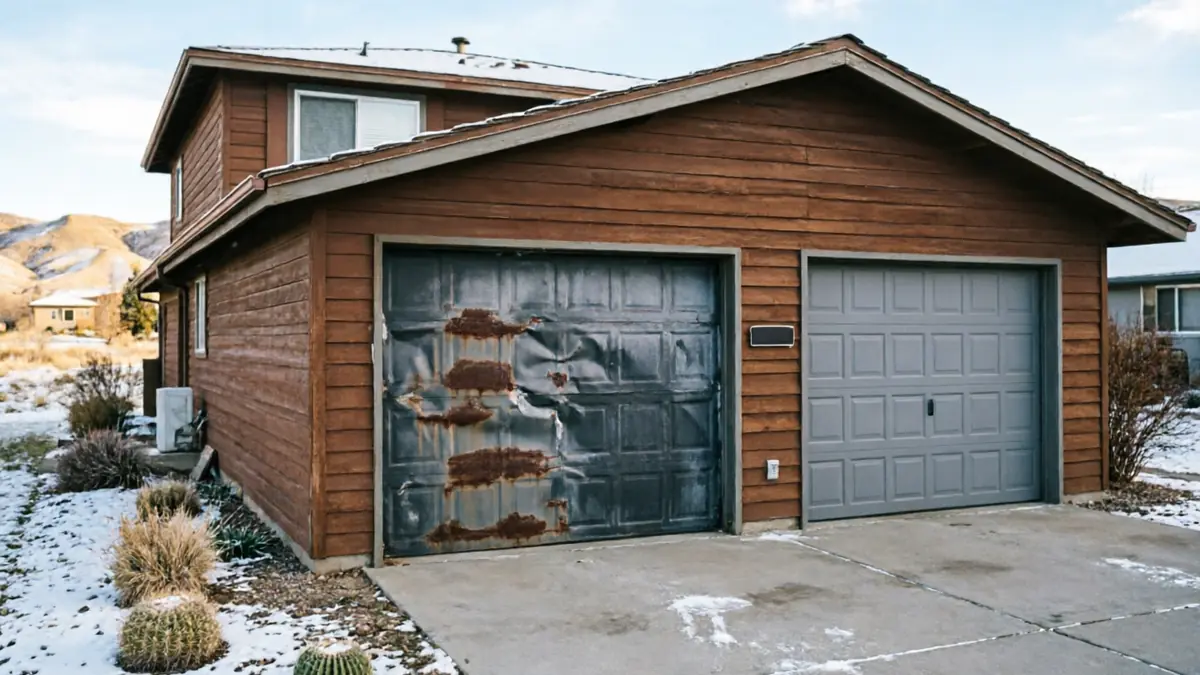 What Meridian's Winters Do to a Garage Door Built After 2000
How Meridian's cold winters and its mostly 2000s-era housing stock affect garage door springs, openers, and seals - and what actually breaks first here.
What Meridian's Winters Do to a Garage Door Built After 2000
How Meridian's cold winters and its mostly 2000s-era housing stock affect garage door springs, openers, and seals - and what actually breaks first here.
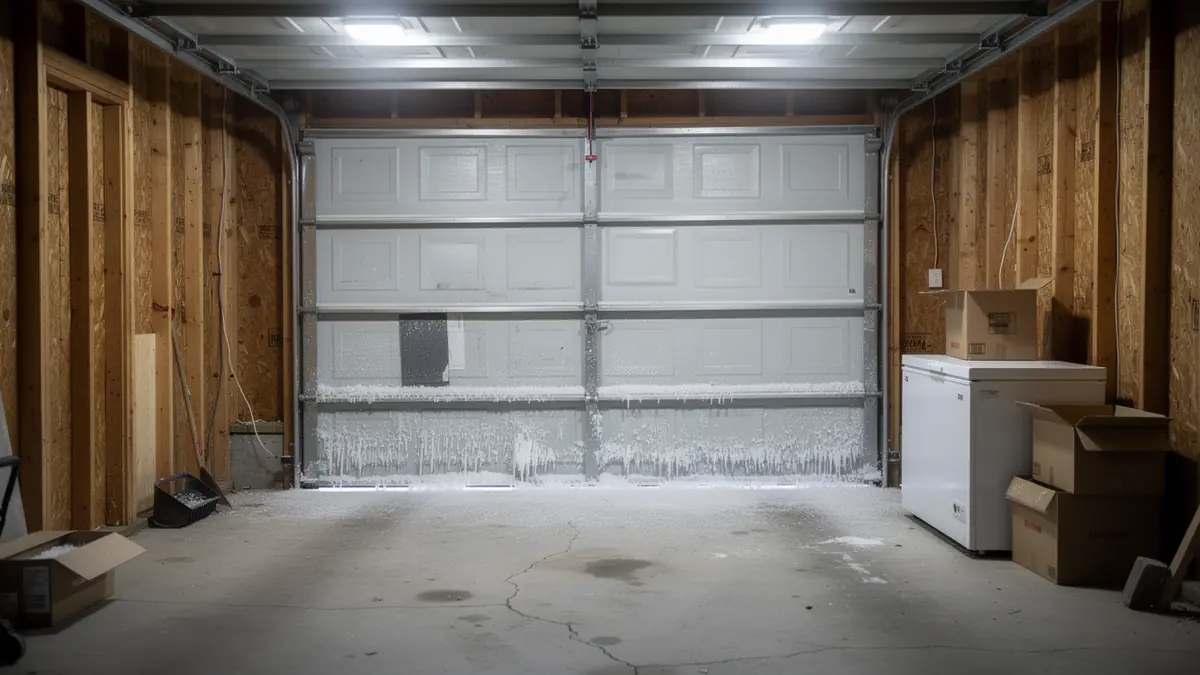 What Meridian's Builder-Grade Doors Need in a Cold Winter
Most Meridian garages were built between 1977 and 2009, with the bulk going up around 2003.
What Meridian's Builder-Grade Doors Need in a Cold Winter
Most Meridian garages were built between 1977 and 2009, with the bulk going up around 2003.
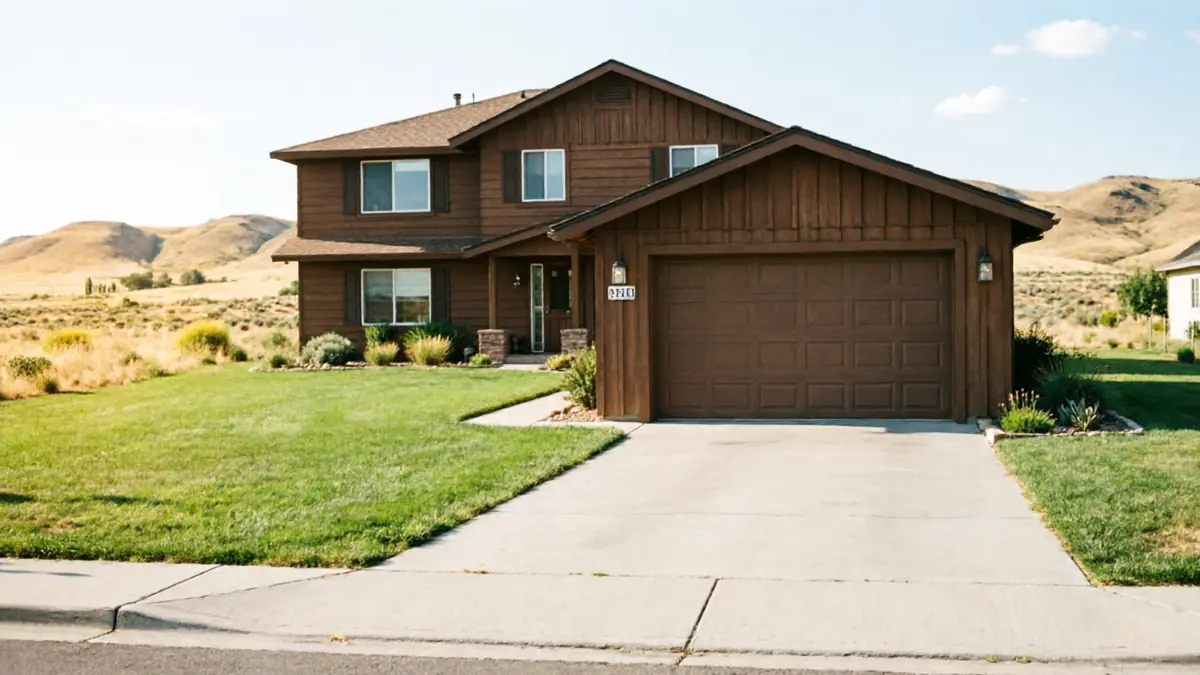 Openers, Cold Snaps, and Power Cuts in Meridian
Meridian homes built 1977-2009 run openers now reaching end of life.
Openers, Cold Snaps, and Power Cuts in Meridian
Meridian homes built 1977-2009 run openers now reaching end of life.
Ready when you are
Need a garage door sorted in Meridian?
Meridian Garage Door Co repairs and installs garage doors, springs and openers in Meridian, ID and the surrounding area.