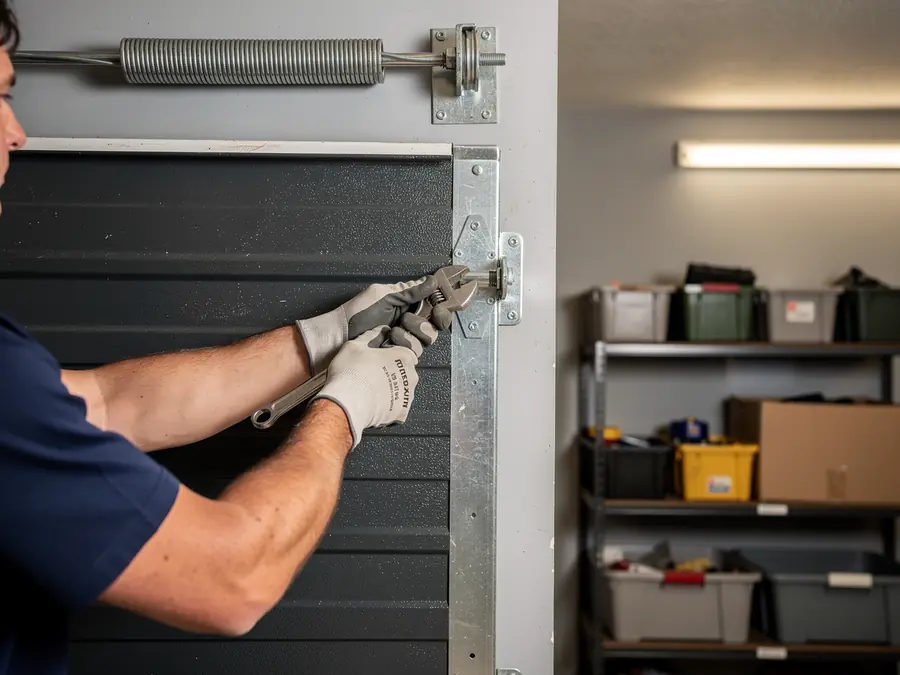
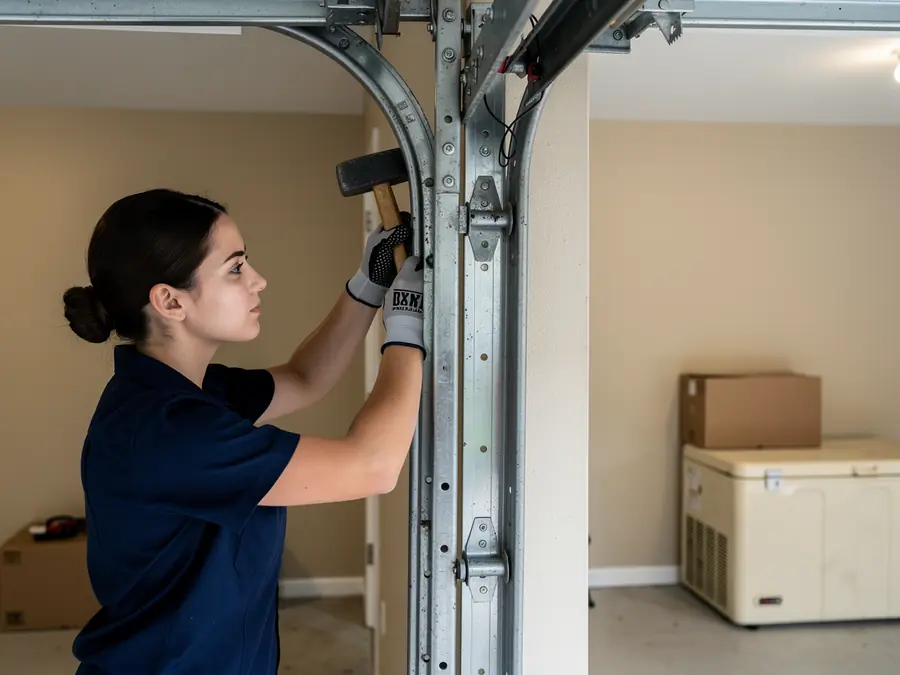
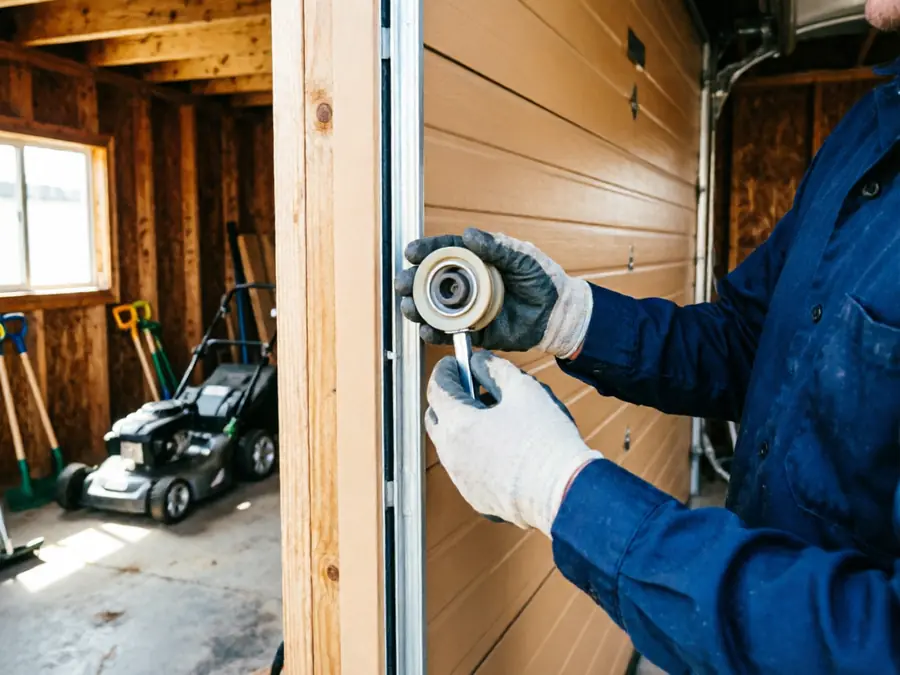
This area sits in a cold-severe climate band, and that changes how garage door hardware ages compared to a mild-winter market. Steel contracts in cold temperatures, torsion springs stiffen and lose some flexibility, and lubricant that's fine in summer gets thick and gummy below freezing - which is exactly when homeowners are relying on the door most, since nobody wants to hand-crank a frozen torsion spring at 6 a.m.
Because most homes here were built in the 2000s across the eight main residential areas in the service footprint, a lot of garages share the same era of hardware: steel sectional doors, torsion springs rated for a specific cycle count, and openers from the same handful of manufacturers that were standard in new construction at the time. That means the same failure modes show up on a predictable schedule across the service area - not randomly, but in waves tied to build year.
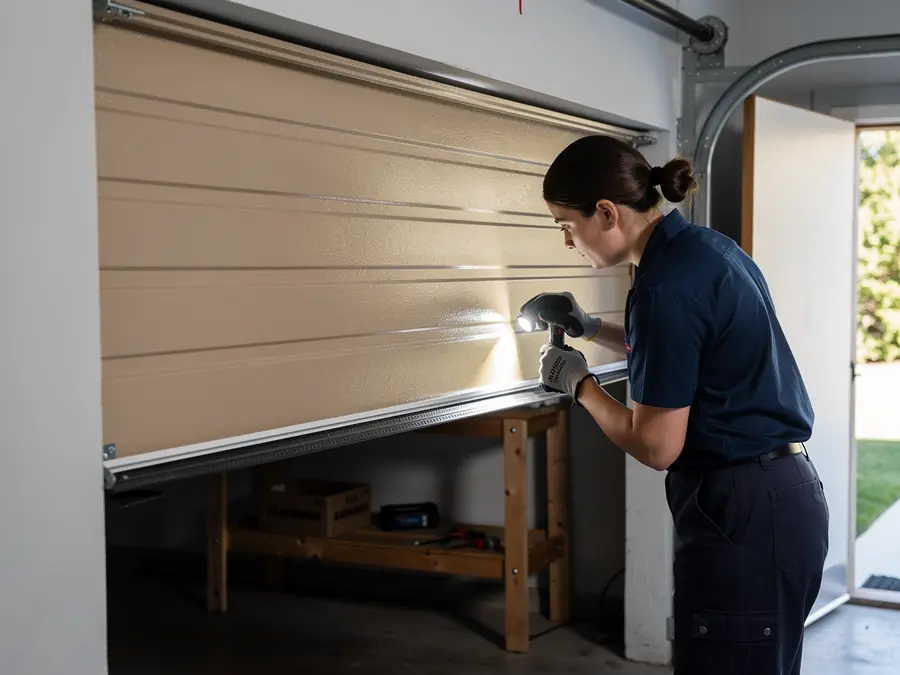
A door that's never been serviced and is now 15-20 years old, built for a climate assumption that didn't account for sustained cold, is the single most common call we get. Maintenance doesn't stop that aging, but it slows it down and catches the spring or cable before it fails on its own schedule instead of yours.